


Premium Mulberries – Subscription
Pricing
| Monthly | 3.13 € | 3.13 € / month |
| Every 2 months | 3.13 € | 1.57 € / month |
Product information, ingredients and nutrition
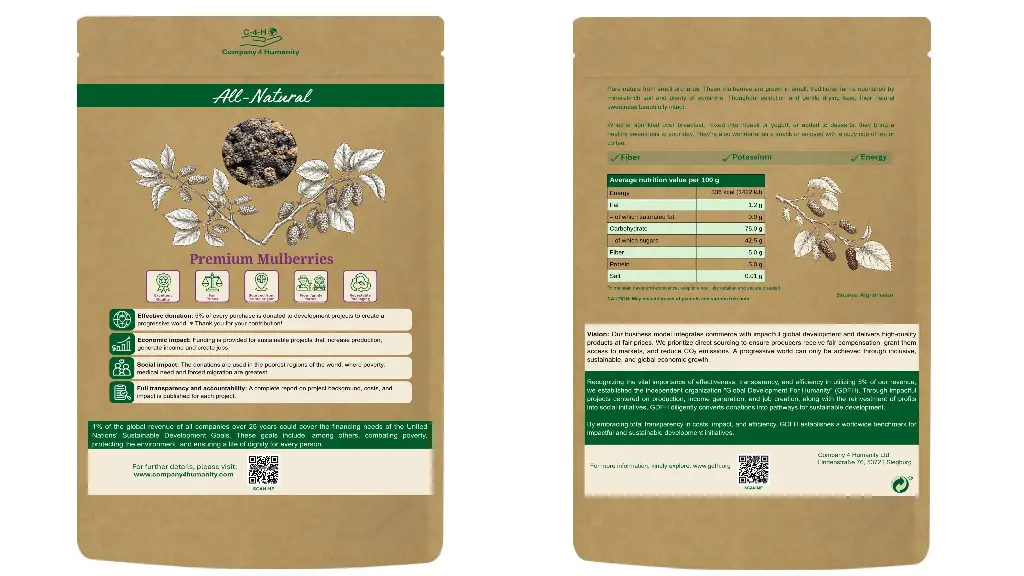
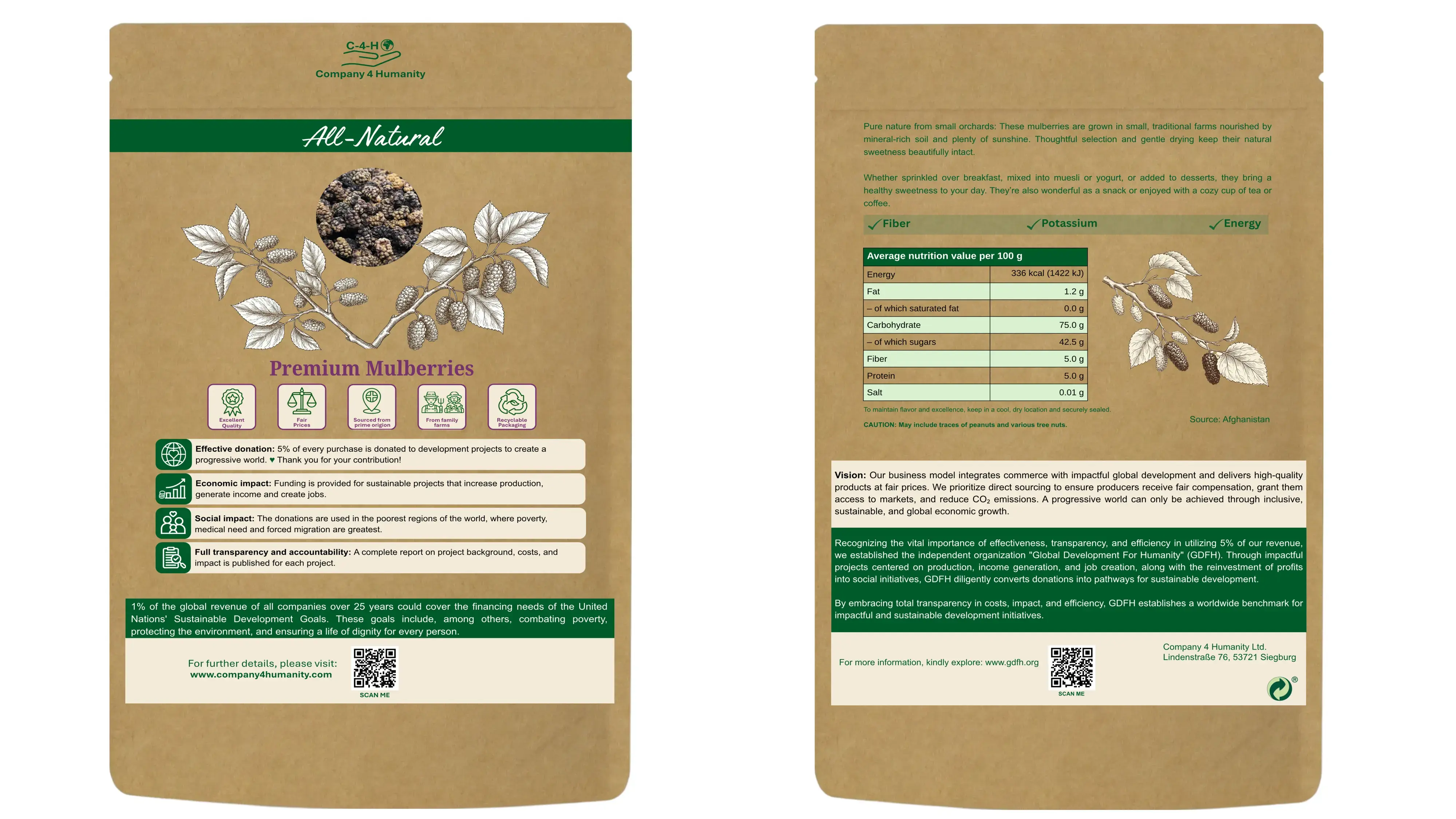
| Average nutritional values | per 100 g |
|---|---|
| Energy | 1422 kJ / 336 kcal |
| Fat | 1,2 g |
| of which saturates | 0,0 g |
| Carbohydrate | 75,0 g |
| of which sugars | 42,5 g |
| Fibre | 5,0 g |
| Protein | 5,0 g |
| Salt | 0,01 g |
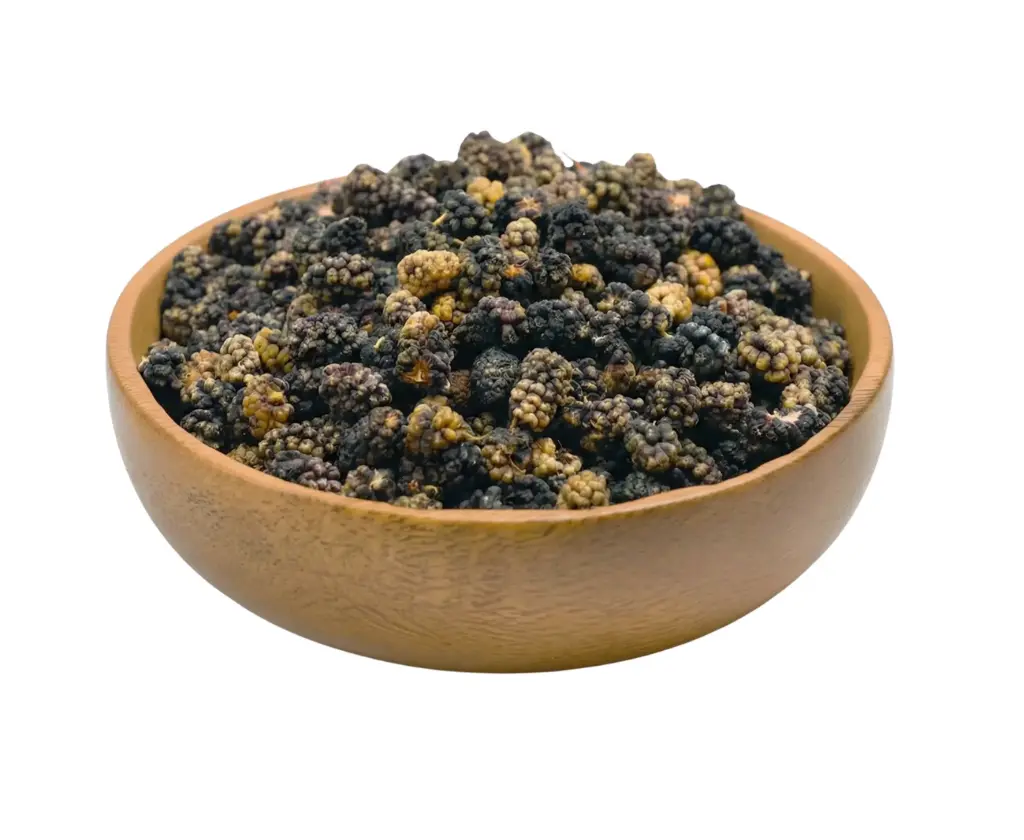
| Product name | Dried mulberries, natural |
| Ingredients | Mulberries, dried |
| Allergens | May contain traces of peanuts and other tree nuts. |
| Origin | Afghanistan |
| Net quantity | depending on the selected pack size (250 g to 10 kg) |
| Storage | Store in a cool, dry place and keep tightly sealed. |
| Food business operator | Company 4 Humanity GmbH, Lindenstraße 76, 53721 Siegburg, Germany |
- Delivered every month or every 2 months (your choice) – 5% cheaper than a single purchase
- Minimum subscription order value €19.99 – feel free to combine several subscription products
- Free shipping within Germany
- Cancel anytime in your customer account
- Payment by card or SEPA direct debit
Shop consciously
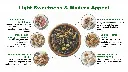
Freshly and naturally packed
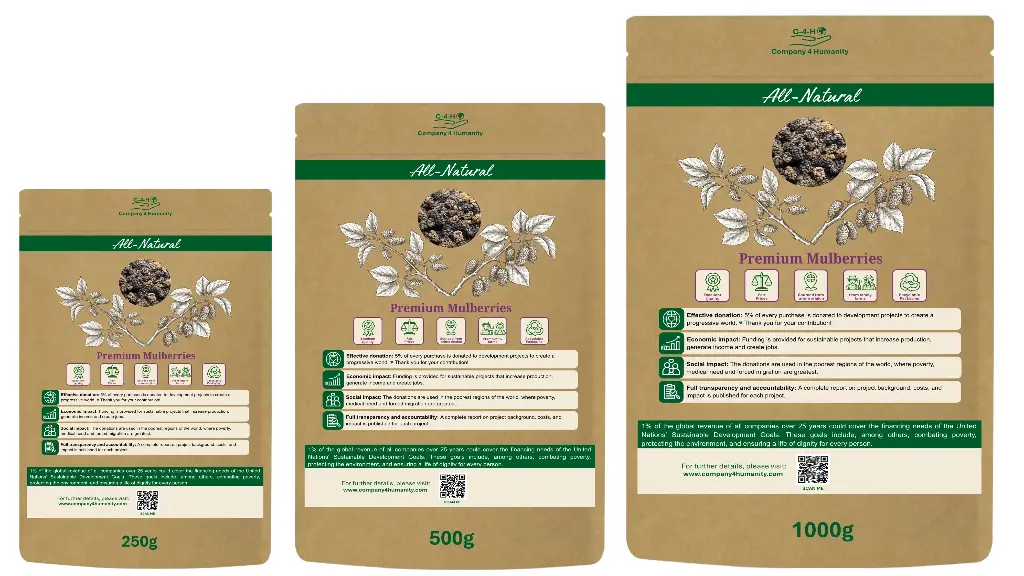
Premium mulberries in a resealable bag – with the full story of origin and impact right on the pack.
Shade-dried, full of flavour
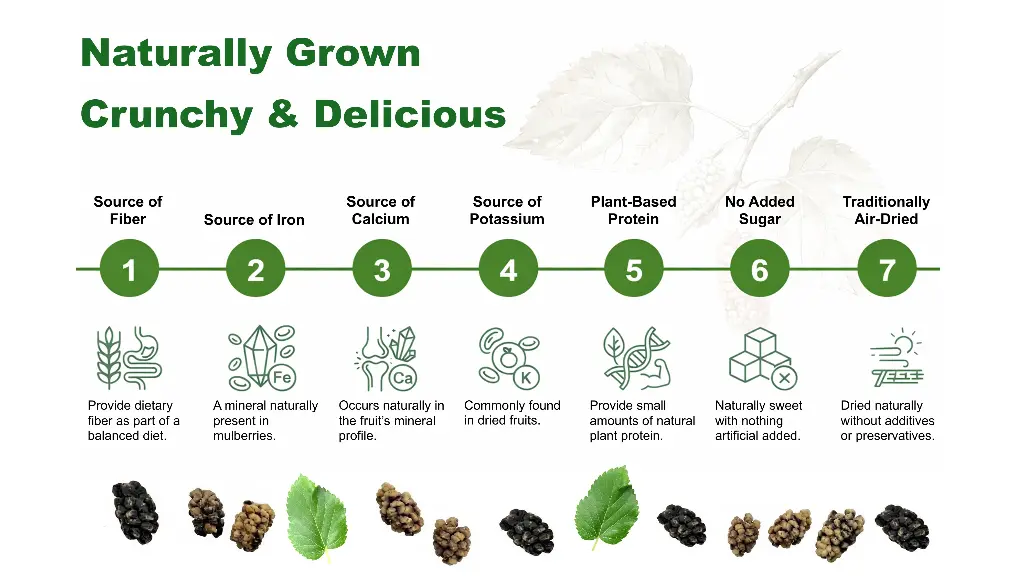
Fibre, iron, calcium, potassium and plant protein – naturally sweet, no additives, traditionally air-dried.
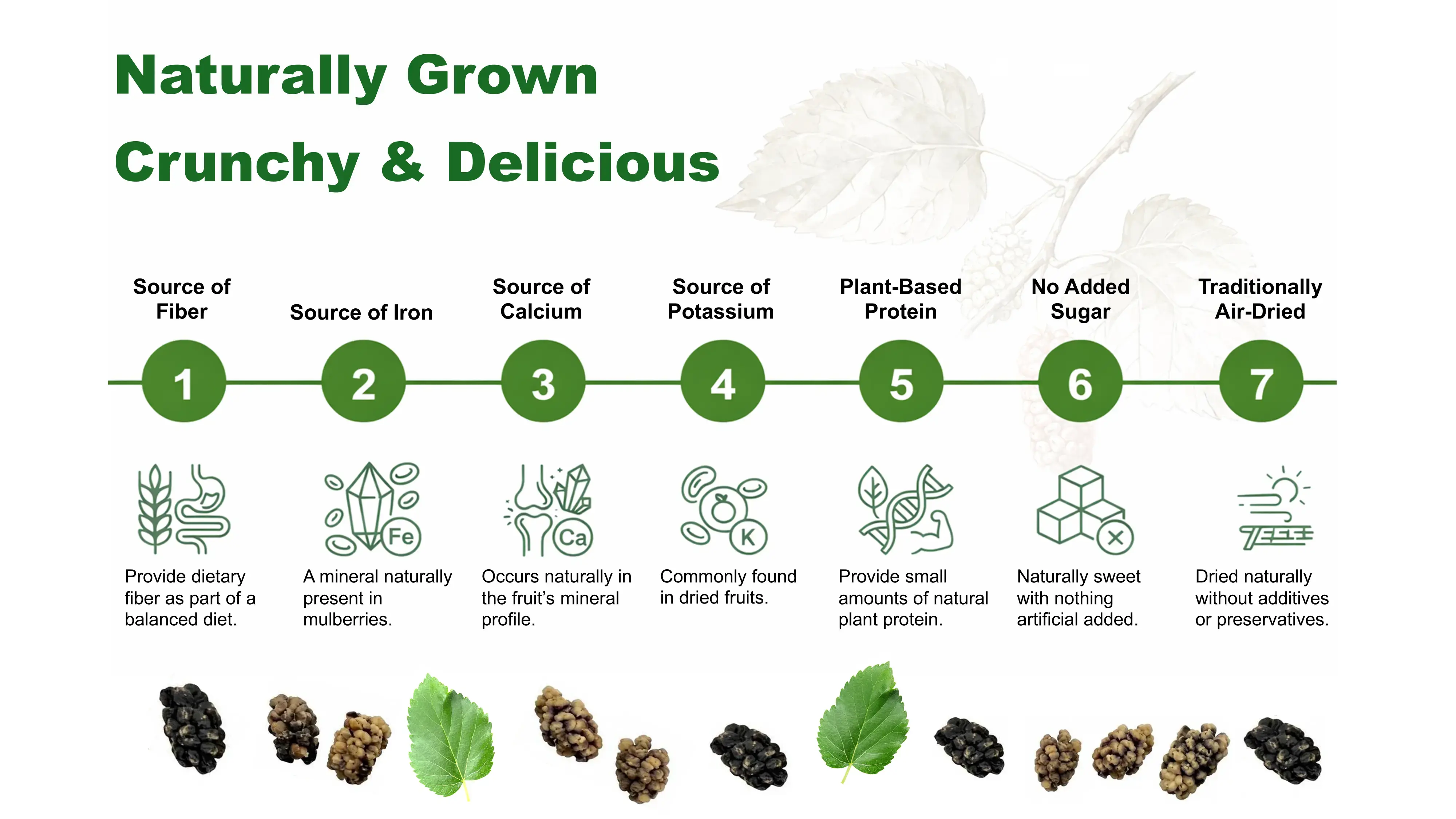
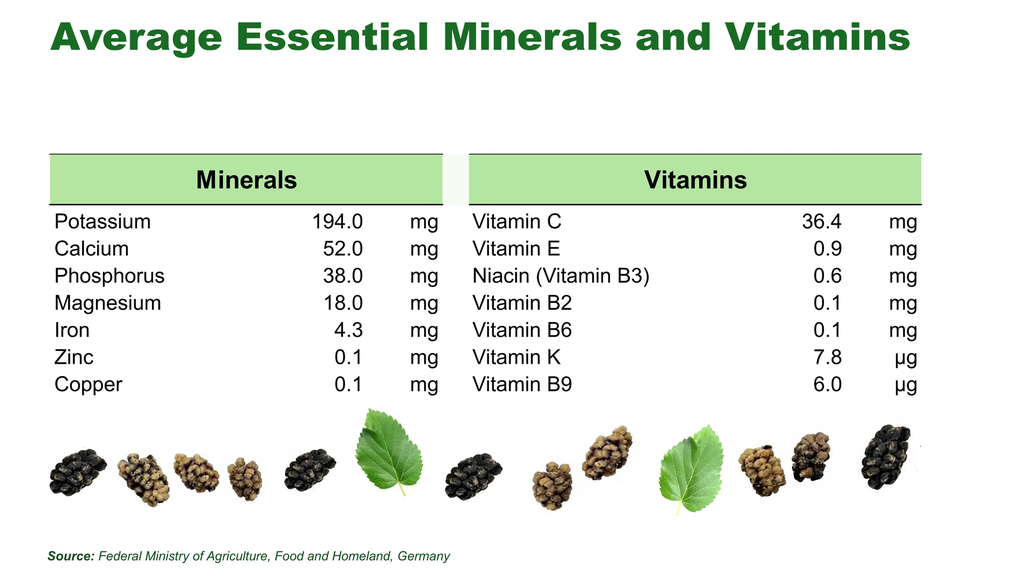
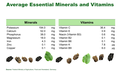
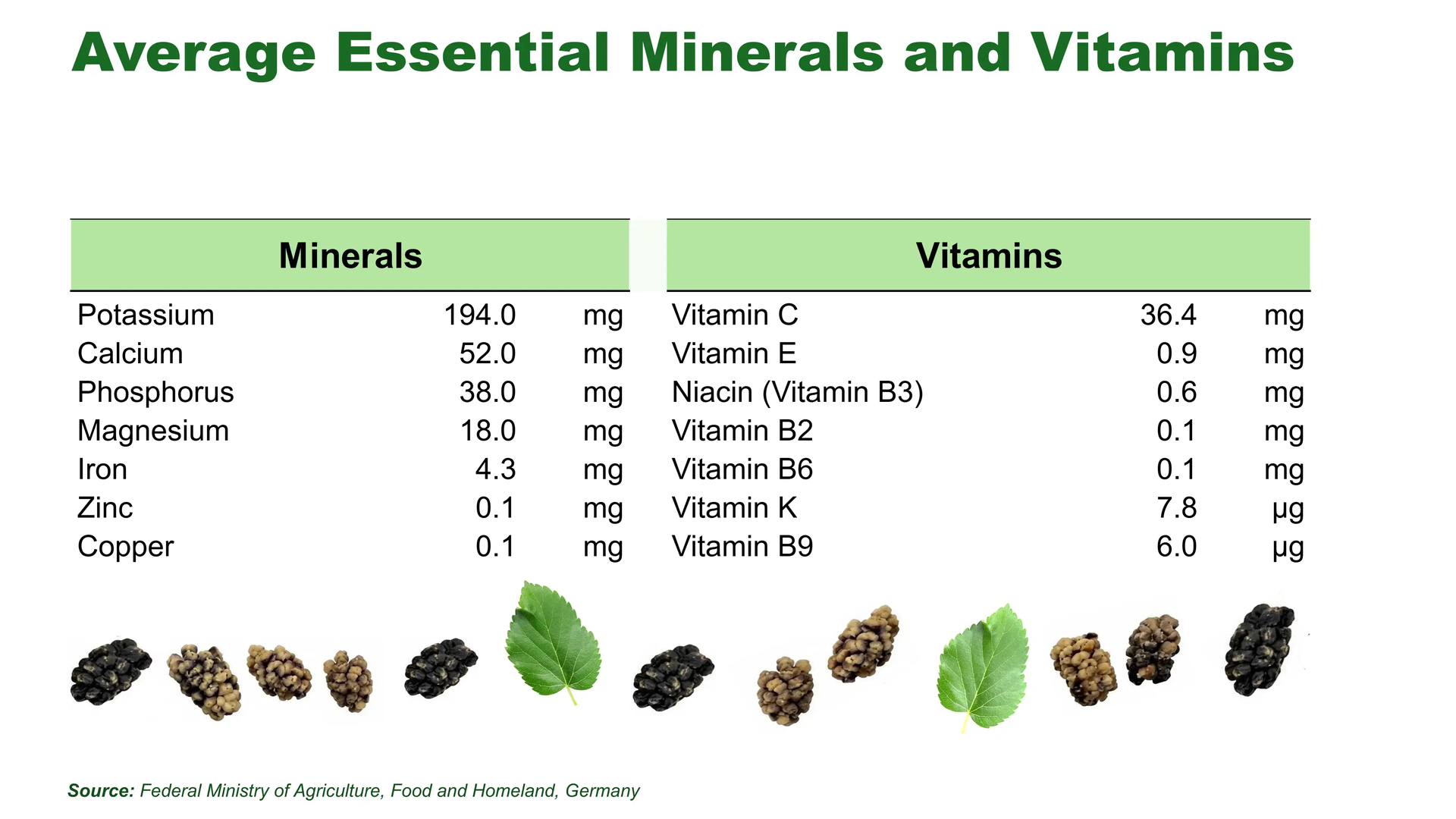
What’s in 100 g
36.4 mg vitamin C and 4.3 mg iron per 100 g – all minerals and vitamins at a glance.
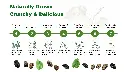
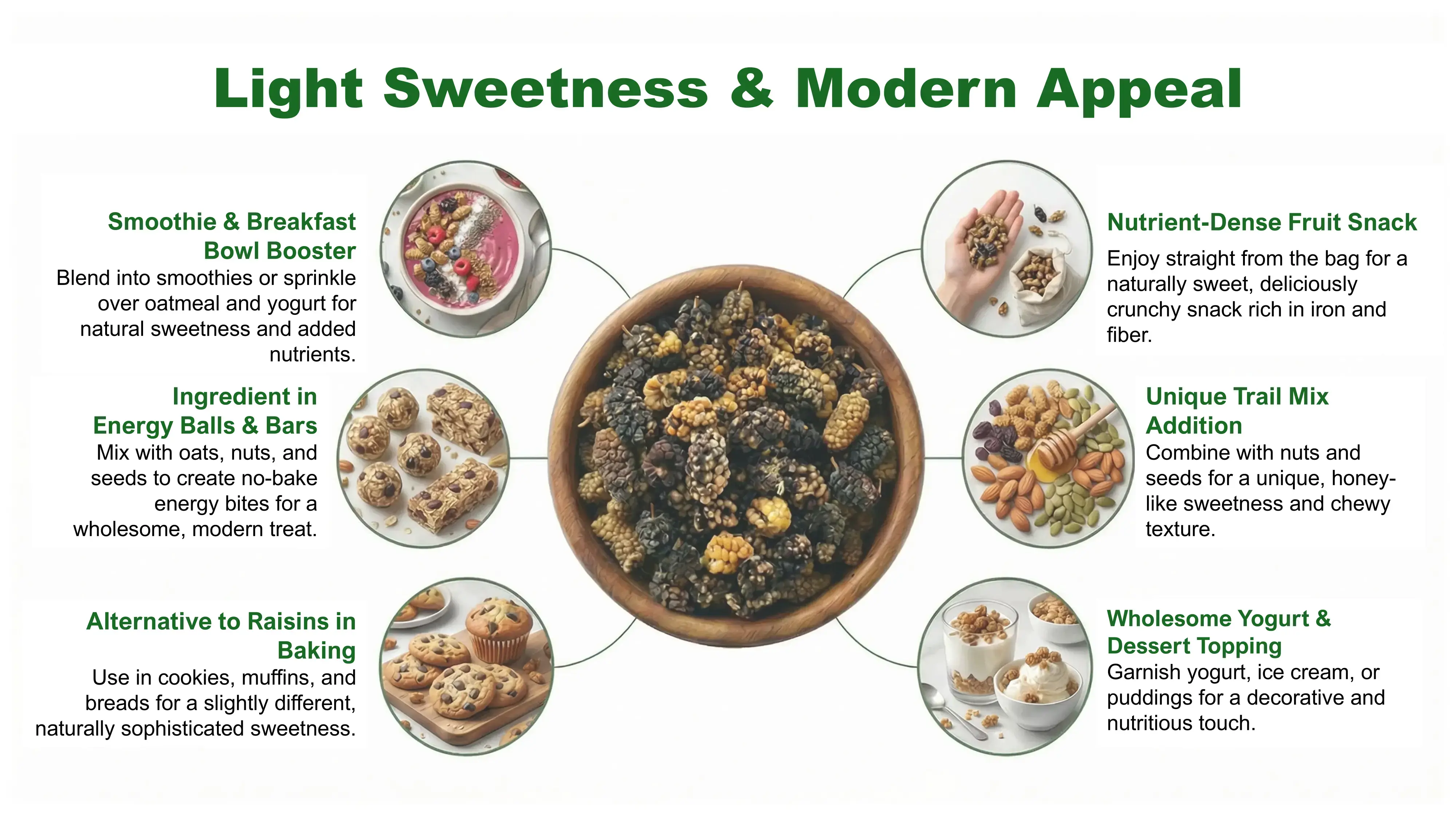
Crunchy and naturally sweet
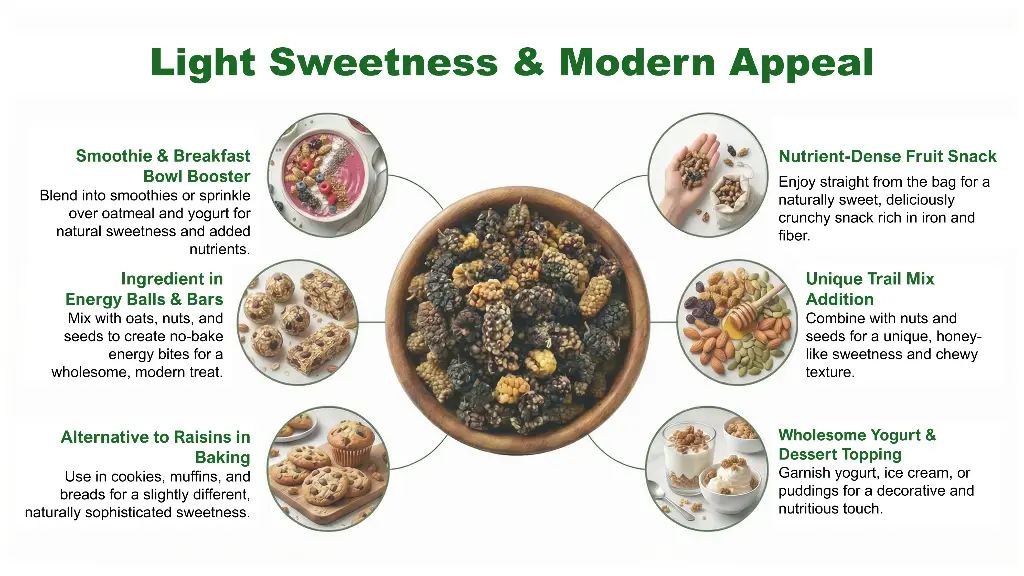
In smoothies or yoghurt, in energy balls, in trail mix or straight from the bag.
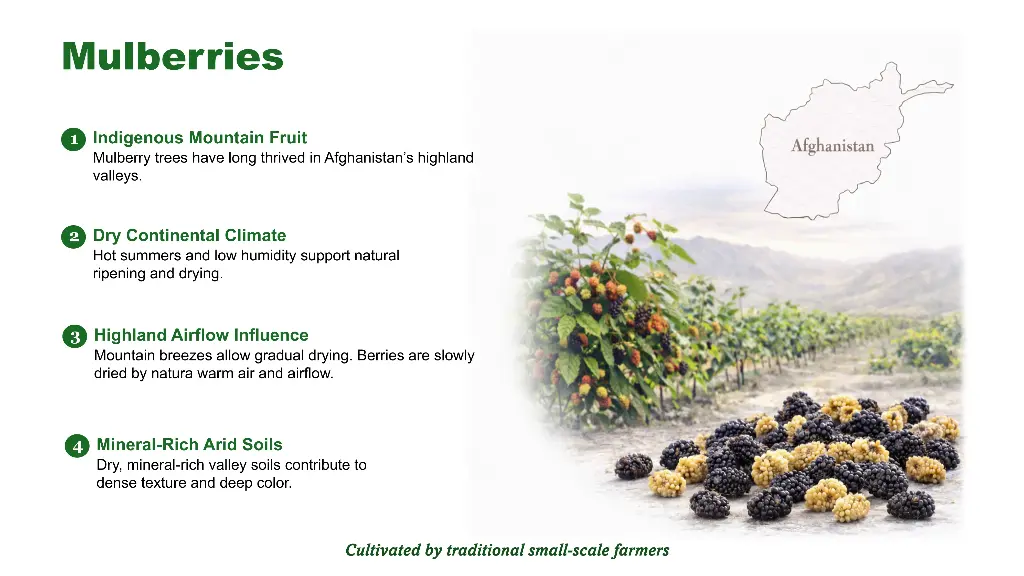
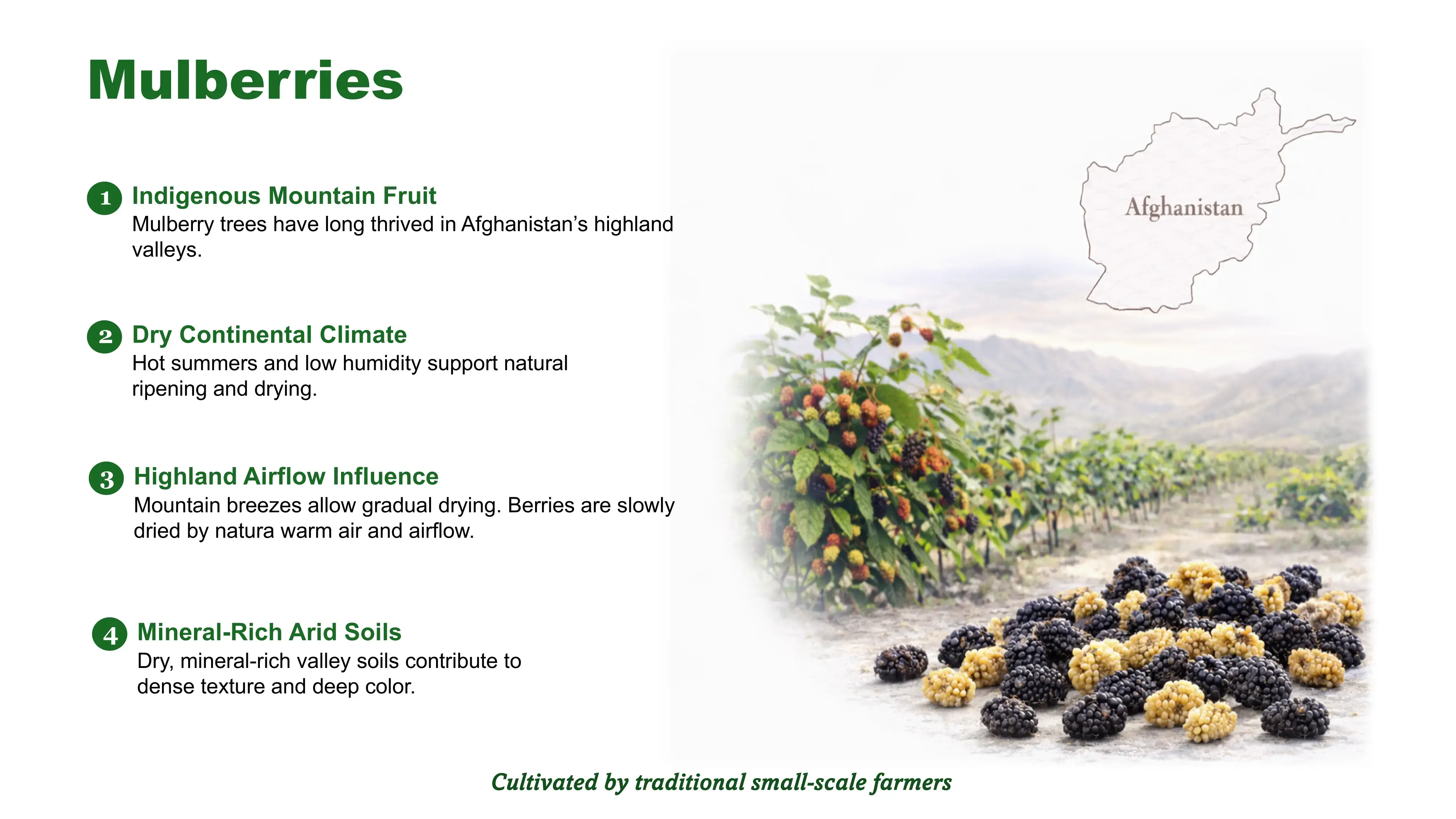
From Afghanistan’s highland valleys
A native mountain fruit, grown by traditional smallholders and slowly dried in the highland wind.
250 g, 500 g or 1 kg
Choose your size – the bigger the pack, the lower the price per 100 g.
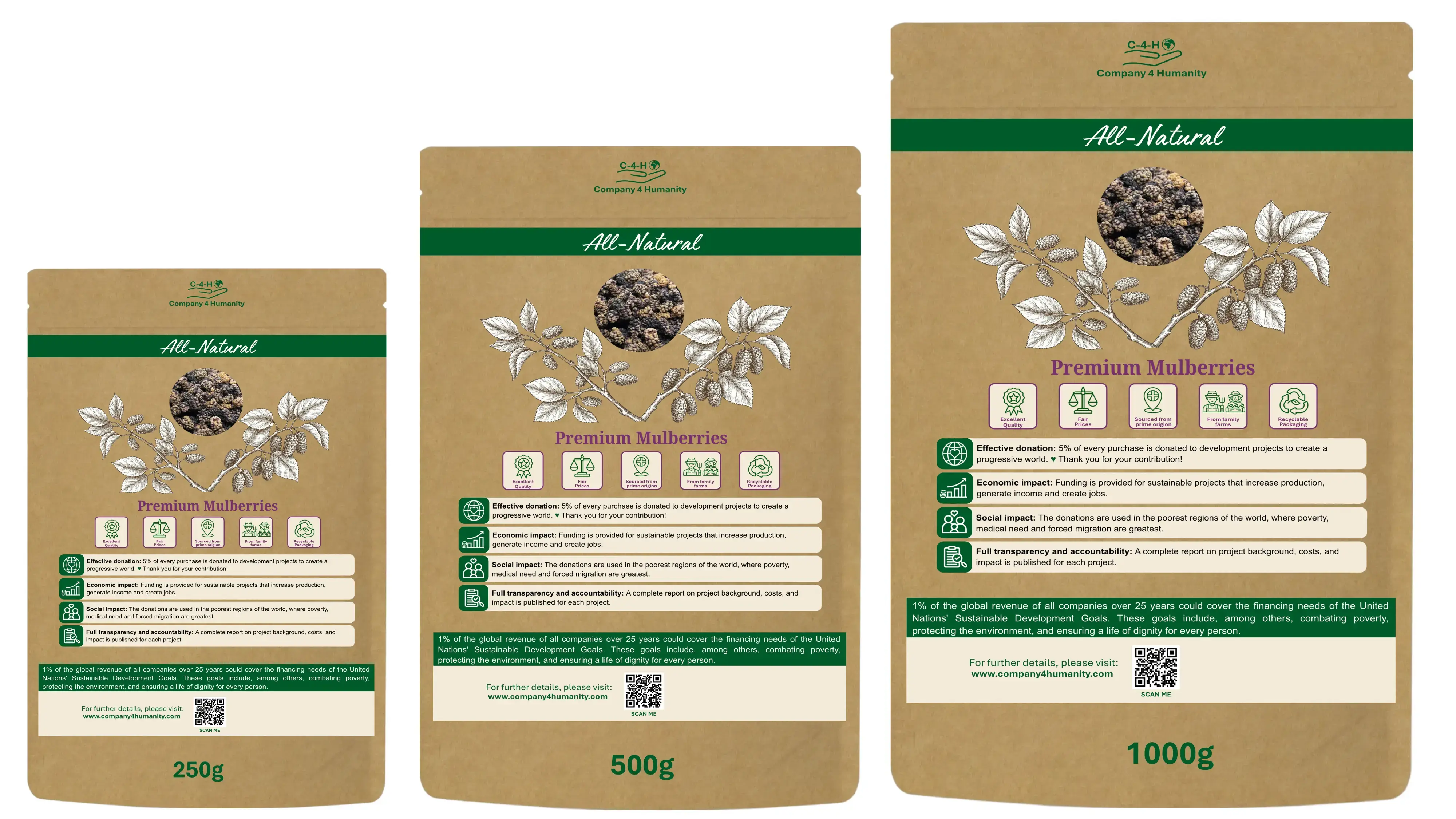
5% of every purchase goes into economically self-sustaining development projects.
0.5% of global company revenues would be sufficient to structurally close the funding gap for ending hunger, poverty, climate change and forced migration by 2050.